
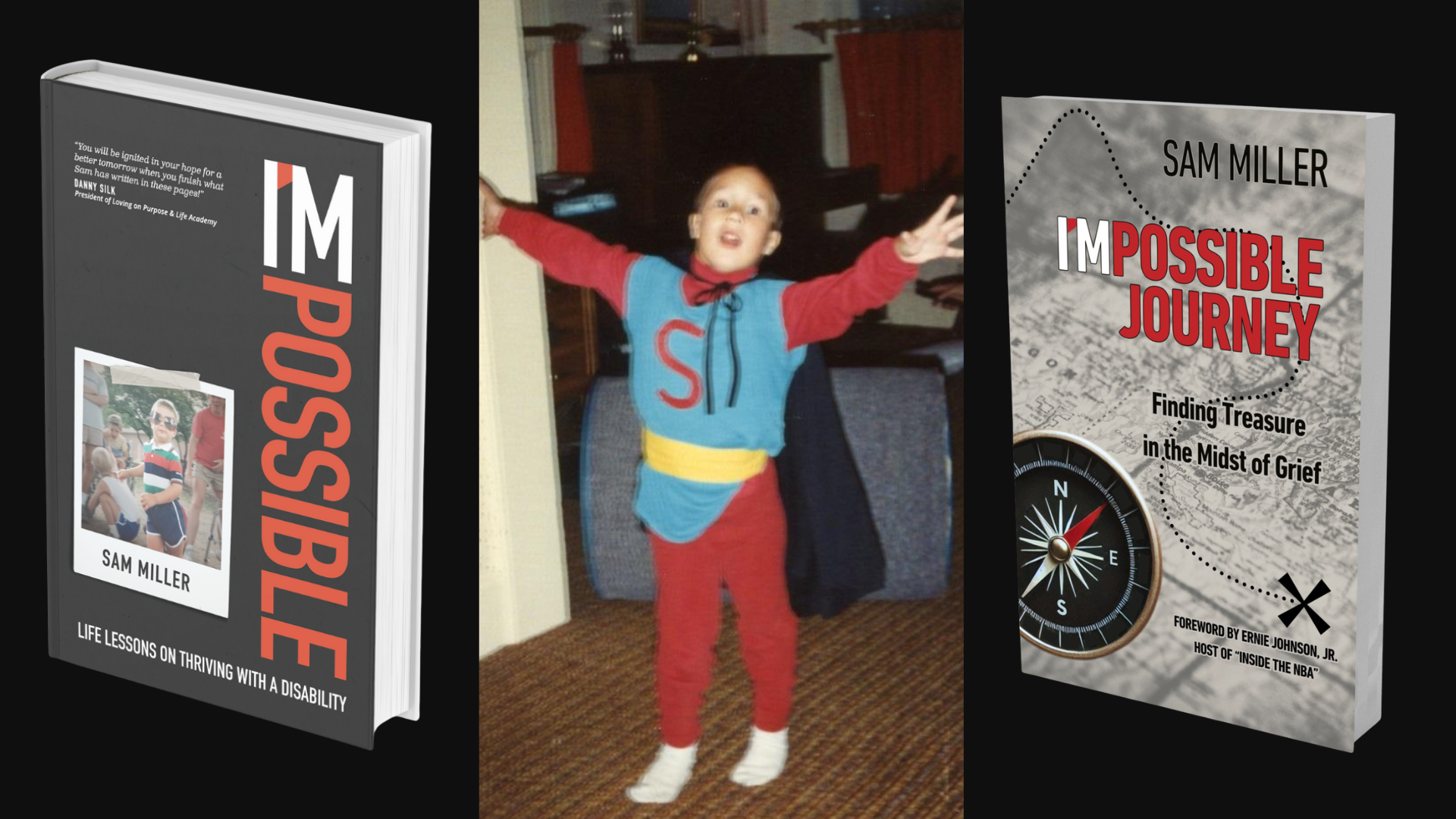
The Father's Day Lesson I Didn't Expect
Father's Day has a way of making me take inventory.
What went well?
What didn't happen?
What progress did I make?
This year, if I'm honest, the review felt difficult.
It's been a hard year. Looking back, I see a lot of status quo, a lot of putting out figurative fires, and not many accomplishments that immediately jump off the page.
In the midst of analyzing and overthinking as I sometimes do, I heard a voice.
"Super Dad!"
"Good job, Dad!”
Leadership Lessons from a Galaxy Far, Far Away
There’s a reason Star Wars has endured for generations.
It’s not just lightsabers, space battles, or iconic characters like Luke Skywalker or Yoda.
It’s the story underneath the story.
A story about limitation.
Identity.
Loss.
And learning to trust something deeper than what we can see.

You’re Not Behind — You’re Carrying More Than Most People Can See
“I’m behind.”
A lot of people are carrying that thought right now.
But most people don’t stop to ask:
👉 Compared to what… and under what conditions?
Because when you factor in:
emotional load
invisible labor
inconsistent support
real-life pressure
…it changes the story completely.

Tiny Wins Still Count
There are seasons when big goals make sense.
And then there are seasons like this.
Seasons where:
energy is inconsistent
plans change quickly
support isn’t always reliable
emotions feel heavier than usual
the future feels uncertain
In those seasons, the way we measure progress has to change.
Because if we only count big wins, we will miss what’s actually happening.

Focus on What You Can Bring — Not What You Lack
In today's society, we’re often trained to look for gaps.
What’s missing. What’s not working. What still needs improvement.
And while that has its place, there’s a quieter habit that can do more damage than we realize:
Focusing on who we are not… and what we cannot do.

When Motivation Is Low After Disappointment
Sometimes motivation drops because you’re tired.
Sometimes it drops because you’re overwhelmed.
But sometimes motivation disappears for a different reason entirely:
Someone let you down.
The Role You Play Without Trying
In disability services, education, and helping professions, value is often measured by output.
Goals met.
Skills mastered.
Independence increased.
Programs improved.
But there is another kind of impact happening every day — one that rarely appears in a report.
It’s the role you play without trying.
And it matters more than you think.

Allowed to Be Off: How to Have a Bad Day in a Healthy Way
Some days, you’re just… off.
Lower energy. Less patience. Heavier emotions.
That doesn’t mean you’re failing. It means you’re human.
It Was a Dream, Not a Plan
“Dr. King gave the ‘I Have a Dream’ speech, not the ‘I Have a Plan’ speech. It’s dreams that change the course of history.”
— Simon Sinek
That quote lands differently when you’ve spent much of your life being told to be realistic.
Not because plans don’t matter.
They absolutely do.
But because dreams are what give plans their power.

How to Approach a New Year When the Past Has Been Heavy
Not everyone enters a new year feeling hopeful or energized.
If you’re carrying disappointment, grief, uncertainty, or exhaustion from the past—especially as an adult with a disability, a caregiver, or someone working in human services—you’re not alone.
I wrote this piece as an alternative to the pressure-filled “new year, new you” narrative.
This article isn’t about forcing optimism or setting unrealistic goals.
It’s about approaching the new year gently, with honesty, support, and compassion—without abandoning yourself or minimizing what you’ve been through.
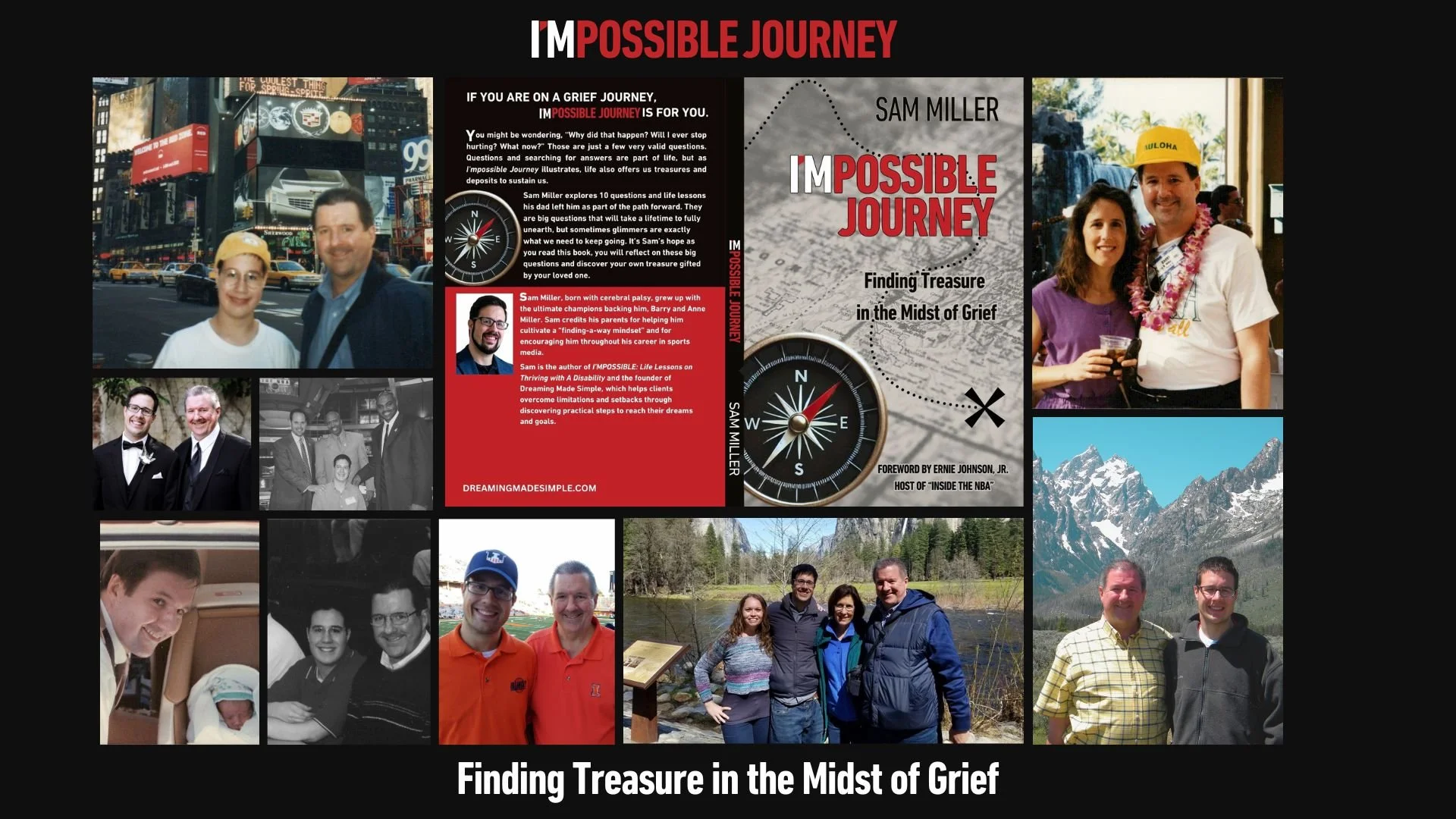
Four Years Later: What Grief Has Taught Me About Leadership, Service, and the Holidays
Four years ago this week, I lost my dad.
That sentence still carries weight. Not because time hasn’t passed—but because grief doesn’t move on a tidy schedule. It reshapes you. It settles into quiet corners of your life. And during the holidays, it often rises to the surface again.
As a son, I feel that deeply.
As a coach, speaker, and author serving families impacted by disability, educators, and nonprofit leaders, I also see that truth up close.



What We Don’t See: The Invisible Labor Adults with Disabilities Carry Every Day
Most people believe they understand hard work.
But there’s a kind of work that rarely gets named or noticed—
a kind of work adults with disabilities carry every day just to move through a world not built with them in mind.
This unseen effort has a name:
Invisible Labor.

Three Thanksgiving-Gratitude Practices to Turn Hardship into Hope
As we approach Thanksgiving, many of us feel the pull of tradition, the pressure of perfection, the weight of what should be. For me—living with cerebral palsy, writing about grief, resilience, purpose, and helping families and programs reframe limitations as opportunities—this season has a different invitation. It’s an invitation to pause, not just to give thanks for what’s easy, but to give thanks in the midst of what’s hard.

🎃 Facing the Monsters Within: Turning Fear Into Fuel
Halloween brings out the ghosts, goblins, and ghouls — but let’s be honest: the scariest monsters aren’t the ones knocking at our doors.
They’re the ones whispering inside our minds:
“What if I fail?”
“What if I’m not good enough?”
“What if people see who I really am?”

Redefining Goals for Neurodiverse Voices: A SMART + Affirming Approach
When I talk with neurodiverse individuals, families, and programs, the word “goals” often triggers tension.
Goals sound rigid. Goals feel like pressure. Goals get broken.
But what if goals became a compass—one that adapts to you, rather than forcing you to adapt to it?
That’s the heart of the approach I use in my coaching and trainings: combining the clarity of SMART goals with a neurodiversity‑affirming framework that respects each person’s unique path.

CP Doesn’t Define Me: Why Strengths Matter More Than Limitations
For much of my life, cerebral palsy felt like the elephant in the room. I tried to ignore it, hoping that if I didn’t acknowledge it, it couldn’t hold me back.
But ignoring CP made me less authentic. It left me afraid that maybe “they” were right—maybe there really were things I couldn’t or shouldn’t do.
Pull Quote: “CP doesn’t define me. It never has, and it never will.”
The truth is this: I own it. It doesn’t own me.